


Does Every Little Bit of ESG Integration Help?
A new report calls into question the future of ESG integration.

A new report calls into question the future of ESG integration.

Highlights of this year’s book reviews and excerpts on topics including cities, the imagination, disruption, capitalism, and careers.
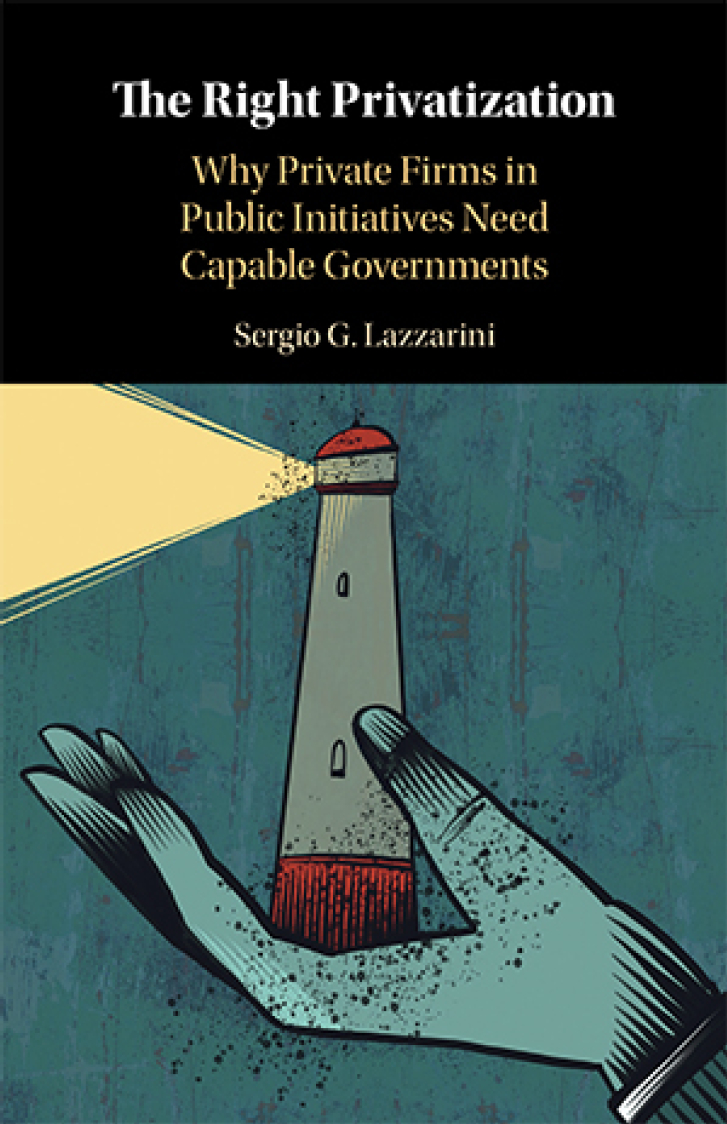
An excerpt from The Right Privatization on why private entrepreneurs need capable governments.

Of work, weasels, and employee engagement in the nonprofit sector.

Principles and tactics for creating strategic convenings that foster meaningful interaction and outcomes.

An excerpt from The Upside of Uncertainty on facing the unknown with courage.

Local initiatives are breaking new ground to make access to housing and opportunity more affordable and equitable and to increase the resources dedicated to housing justice.

In discussions of diversity, equity, and inclusion, the table is frequently used as a symbol of inclusion. Whether by design or default, the table is accepted as a place to ameliorate issues of marginalization, exclusion, neglect, discrimination, and other harms.

As the third sector in Nicaragua comes under increasing government attacks, a founder had to make one of the most difficult choices.
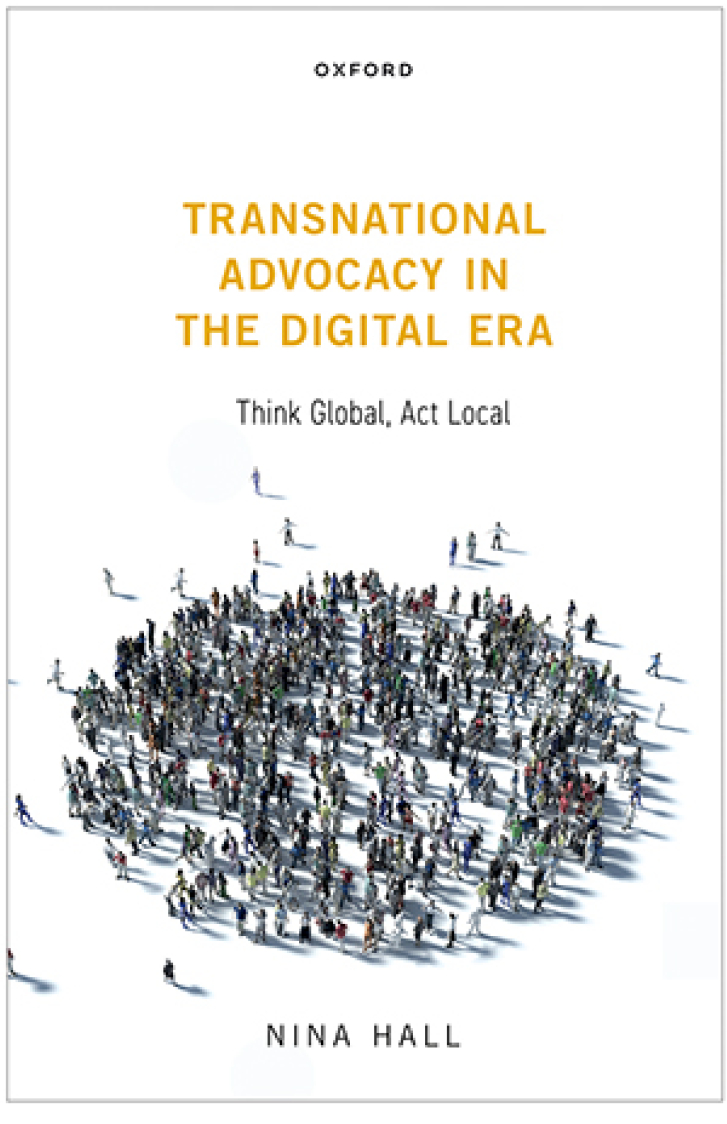
An excerpt from Transnational Advocacy in the Digital Era on how advocacy organizations have adopted digital tools for their work.